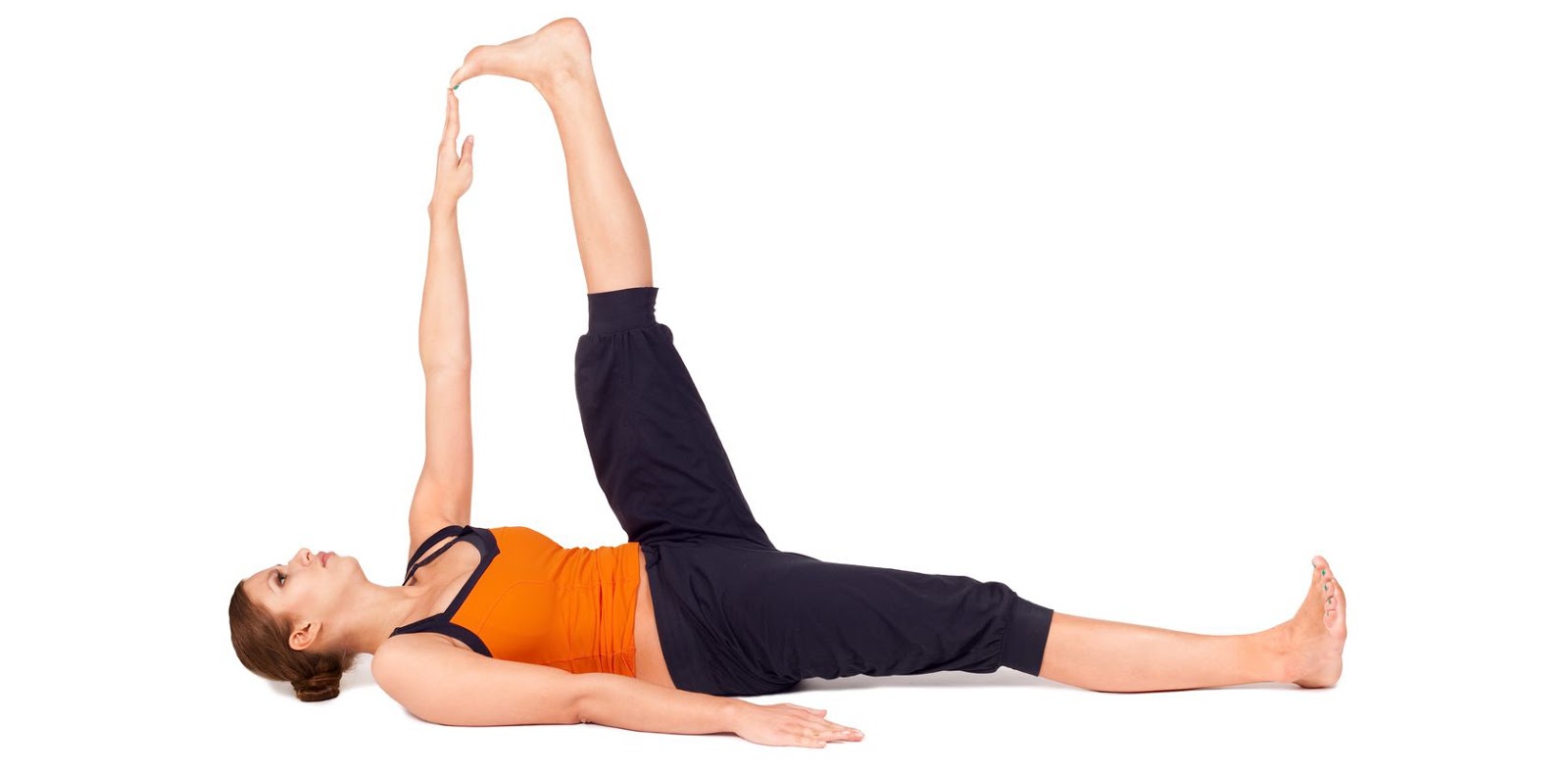
Compression fractures occur in your vertebrae when the bone density is no longer enough to support the weight of your spine. This condition often occurs as a result of aging, injury, or osteoporosis. The vertebrae in the spine can develop cracks and fractures over time, resulting in lingering pain and lost height.
Vertebral Augmentation
Veterbral augmentation was developed in 1984 to reduce pain and loss of function from vertebral compression fractures. Prior to the invention of vertebral augmentation, patients suffering from compression fractures had only the option of bed rest until the bones healed and the pain subsided.
There are two types of vertebral augmentation – Vertebroplasty and Kyphoplasty. These minimally invasive procedures can provide rapid relief from the pain of these fractures, and patients undergoing these treatments are typically able to resume normal activity in the same day.
Vertebroplasty
Vertebroplasty involves injecting a cement-like substance directly into the fractured vertebrae, which stabilizes the bone and can immediately decrease the pain resulting from the fracture. This procedure is percutaneous (minimally-invasive), requiring only a local anesthetic at the area of the needle insertion. The procedure normally takes an hour, and patients can return home on the same day.
Kyphoplasty
Kyphoplasty is similar to vertebroplasty. The primary difference with Kyphoplasty is it involves a first step of inflating a small balloon (the KyphX Inflatable Bone Tamp) into the fractured area. The balloon expands the vertebrae to resume most of its original size and shape prior to the fracture. After space is created in the vertebrae, a cement-like substance is injected to fill the void and stabilize the bone.
Nearly 1/3 of Americans suffer from chronic pain. Chronic
pain, defined as pain that lasts more than six months, can be continuous, episodic, inconvenient or even life altering. While a sudden injury has
an expected trajectory of healing, chronic back and/or neck pain can become a
frustrating prospect with no recovery in sight. The ability of chronic pain to
ebb and flow over months or years makes it difficult for sufferers to decide
whether they should seek treatment. If you have chronic back or neck pain, the
following infograph can help you better understand your condition.
If
you or someone you know is experiencing chronic neck or back pain and is unable
to find a solution, you should always schedule an appointment with a spinespecialist like the ones at SpineOne for proper diagnosis and treatment.
With Thanksgiving weekend starting this Thursday, many of us Coloradans will head up to the slopes for the first time this year. In fact resorts such as Arapahoe Basin, Breckenridge, Copper Mountain, Winter Park and Vail have already opened, and six more resorts will follow over the holiday weekend including Steamboat and Telluride. And with a brand-new ski season, will come weekend warriors who have spent the last two to three months on the couch watching football, drinking and eating instead of working out in preparation of the ski season. Skiing is a physically demanding activity that requires our muscles to be flexible and strong to avoid falling and more serious injuries. Knee and ankle joints are the most common of skiing injuries, but back pain can limit one’s mobility and balance, leading to muscle strains, falls, whiplash, concussions and in rare occasions—paralysis. To help you avoid injury and get the most out of your skiing investment this season, we at SpineOne recommend the following preventative measures before you (shall I say, ‘conquer?’) the slopes. Get in shape now. Most of us need at least six weeks to get in decent enough shape to strap wood to our feet and speed down the side of a 14,000-foot mountain. If you haven’t started, begin working out now. You will want to focus on your thighs, hamstrings, hips and buttocks for strength and support of your lower back. It is also very important to follow through with core exercises designed to stretch and strengthen the muscles that support the spine. Being in good condition will provide you with better stability and balance and help reduce the chances of falling and injury.
Warm up. Before an athlete or an “average Joe” does anything athletic, he or she stretches and warms up. We often don’t think to stretch before skiing or snowboarding because we consider skiing as a fun “activity,” not necessarily a demanding sport. However, nothing could be further from the truth—especially in cold weather. Muscles are more apt to be injured in cold weather. You should stretch your hamstrings, hips, back, neck, shoulders and triceps. It is also a good idea to take a light practice run on a bunny hill before really carving up the slopes. Use the right equipment. One of the most important preventions to back pain, falling and injury is to make sure you have equipment that is the right size for your body, in good condition and that feels comfortable when you wear it. You don’t want to be battling your equipment while trying to
maneuver the mountain. Oh yeah, and wear a brain bucket. It will significantly reduce the chances of a serious brain injury.
Pay attention on the lift. “Tips up!” Many falls and accidents occur before getting on or off the lift. One should be comfortable with how to get on and, more importantly, off a chair lift. Many skiers are
injured on the lift because they have not ridden one before, or are just not paying attention. If you have not ridden a ski lift before, it is important that you learn what to do and ride up the mountain with someone who has experience.
Give it a rest.
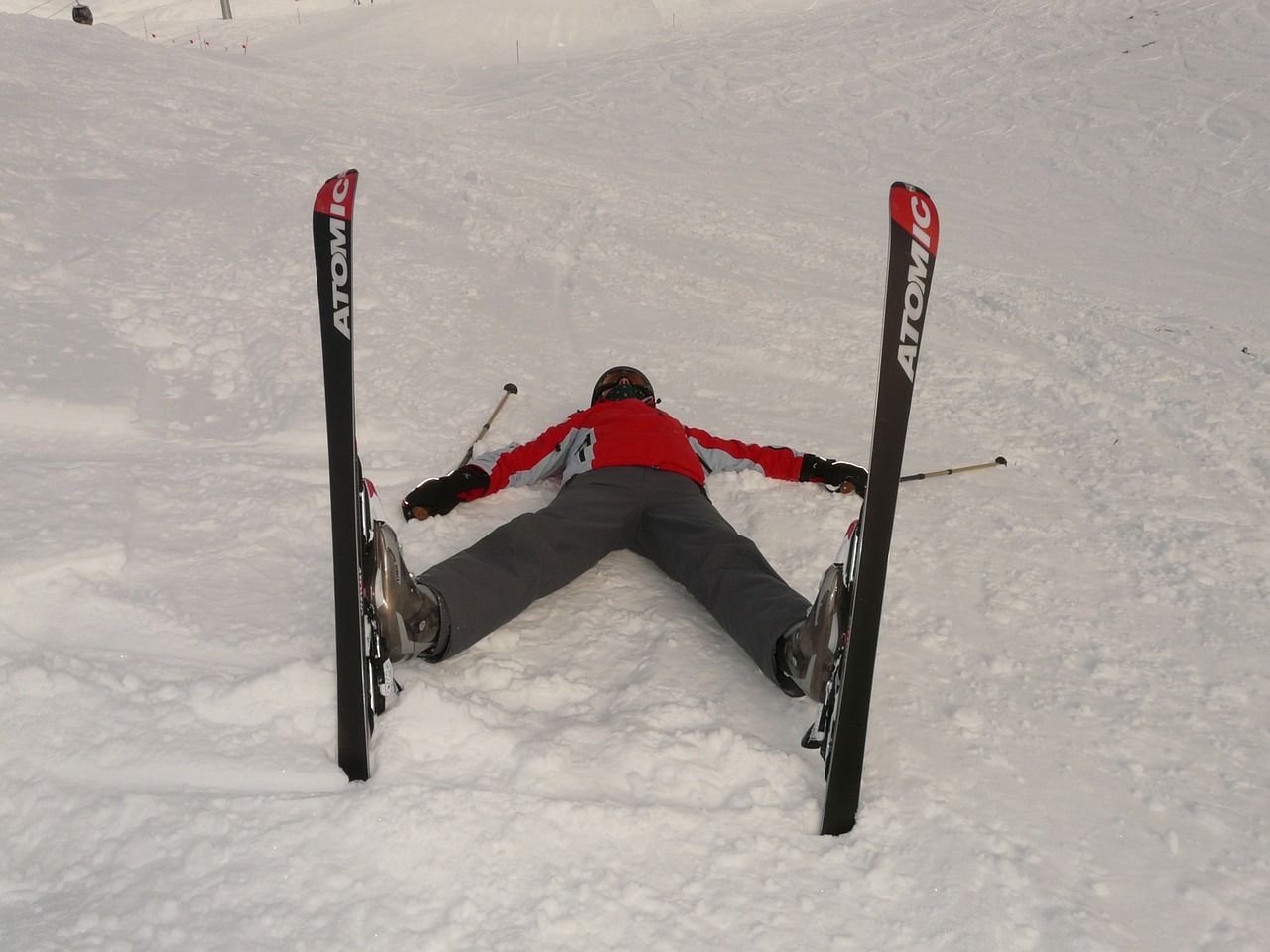
Fatigue and dehydration may also lead to injury on the slopes. You need to pay attention to your body and rest at times between runs when needed. One should also stay hydrated. Although you are surrounded by snow, you are at higher altitudes, which means drier conditions and the risk of altitude sickness. Know your limits. “But all the cool kids are doing it!” Ah, common sense is not always that common. It is easy to get caught up in friendly competition or to try to impress that date for the first time on the mountain. However, your day or season could be cut short if you do not ski at your skill level. If you want to improve your skiing skills, take some lessons with an instructor before going commando off a headwall. You will look cooler and most likely avoid a yard sale. Remember, you want to enjoy and remember your ski trip like this guy:
Not this guy:
What to do if you sustain a back injury. If you suffer from chronic or acute back pain due to a sports injury or other condition and cannot find relief, it may be time to contact a spine specialist like the physicians at SpineOne. SpineOne offers a comprehensive evaluation, diagnosis and treatment plan tailored to meet the pain management needs of each individual patient. The physicians at SpineOne practice minimally invasive procedures combined with other practices, such as physical therapy, to get you back on your feet and enjoying your life again. SpineOne provides doctor consultations, MRIs and treatments all from the same facility for your convenience. Same-day appointments are also available upon request.
Read what first-time patient, Shauna, had to
say about her experience at SpineOne.
“I love Dr. Sonstein. It was clear from the beginning that his main objective was to
make me feel better. He was really concerned about me.
Your surgical staff is
amazing. All your nurses are attentive and nice. The nurse who helped me the
anesthesia rocks big time and your center is great!
Candy in billing is
totally amazing. She explains things simply and clearly and is quite good at
calming you down and walking your through the process.
Back paincan be
debilitating, and when it is keeping you on the sidelines of your life, you may
be willing to consider any treatment that will work, including surgery. There
are occasions when back surgery is the best option for relieving your pain, but
it’s not the only choice you have. There are often alternative treatments to
surgery for back pain associated with symptoms from conditions such as
herniated or bulging discs, spinal stenosis, degenerative discs, osteoarthritis
and more.
Before you undergo surgery, visit a spine specialist like the physicians
at SpineOne for an assessment to determine if other, less-invasive treatments may be
the better choice for you. With
minimally invasive treatment options, like the ones at SpineOne, you get:
Fast Recovery
Withback surgery, you may face a hospital stay followed
by an extended period of bed rest. This means that you will need to take time
off from work and that you won’t be able to handle your family responsibilities
as you normally would. With most of our treatments, you’re ready to get back to
life as soon as the treatment is over. No in-patient care is required and you
can start to get relief from your back pain right away.
Conservative Pain Therapies
In the wake of surgery, your doctor will likely prescribe powerful medications
to manage your back pain. These medications can leave you feeling groggy and
can be habit-forming. At SpineOne, we can
manage your pain using targeted injections and therapeutic care to provide you
with relief without the side effects of strong medications.
Tailored, Comprehensive Treatment Plans
At SpineOne, our spine specialists tailor comprehensive treatment plans for each
individual patient. We incorporate minimally invasive and innovative treatments
often including physical therapy to address back pain. There is no cutting
involved which means you won’t face the risks associated with surgery, and you won’t have any
scarring. You face fewer potential complications with our treatments, many of
which are completely natural. Our minimally invasive treatments also leave you
with less pain after care than you would experience recovering from surgery.
If you are considering open- or laser-spine surgery, visit the doctors at
SpineOne for a second opinion. The back specialists atSpineOne can likely relieve back or neck pain
without surgery.
Call us at 303.500.8611 or visit www.spineone.com to learn more about our services. For your convenience, SpineOne offers same-day
appointments with consultation, imaging and treatment all within one
facility.
The first day of fall is upon us, and with it comes America’s favorite past time—football. For the six-month off-season, we yearn for the smell of burning leaves; the sound of players cracking shoulder pads; and the thrill of the last-second hail Mary pass play. And for football players, there is excitement in the air as they suit up to play the season.
Unfortunately, with the passion of competition, may also come the agony of injury. For instance:
There were more than 1.35 million youths from the ages of six to 19 years of age that were injured severely enough to be sent to the emergency room in 20121.
Sport participation constitutes the fourth most common cause (approximately eight percent) of all spinal injuries2, but it is the second most common cause after motor vehicle crashes for those under the age of 30.3
From 1977-2012, there have been a total of 266 high school football players with incomplete neurological recovery from cervical cord injuries.4
Football has the highest number of cervical spine injuries of any high school sport.5
Although these statistics are alarming, precautionary measures can be taken to greatly reduce the risk of a serious spinal injury. It is important that you do your part to ensure these preventative tips are followed to keep players as safe as possible.
Find and fit the right equipment
The first step to football safety is to find and fit the right-size protective equipment. Although there is not a 100 percent solution to preventing spinal cord or brain injuries, football-equipment manufacturers like Ridell® continue to develop technology that dramatically reduces the likelihood of a serious injury. These products include smart helmets, collars, shoulder and kneepads, and should always be worn and maintained according to manufacturers’ guidelines for maximum injury prevention.
Tackle the technique
Most of a football player’s safety rests within the six inches between his ears. Meaning, a player should never drop or tackle with his head. A player can also take more control of his safety on the field by learning and training the proper tackling and blocking techniques—again, again, again and again.
USA Football, a national governing body for the sport of amateur football, has a great website with videos that teach players, coaches and parents football fundamentals. The organization has what it calls Heads Up TacklingSM techniques and other football-safety programs.
Get strong
Regardless of what position an athlete plays, strengthening one’s neck is vital to preventing serious spinal cord injury. The stronger the muscles supporting the neck, the less likely an athlete will sustain a serious injury and have a safer, better and more fun football season. Some of the exercises a player should complete on a regular basis with an instructor, trainer or physical therapist include:
• Flexion (chin to chest)
• Extension (eyes to ceiling)
• Rotation
• Lateral flexion (ear to shoulder)
• Shoulder shrugs
For more information about these exercises, watch this USA Football neck-exercise video.
We continue to see football injury statistics decrease year-over-year with recent developments in technology, better education and the right people involved in the sport. Whether you are an avid fan, parent, coach or player, it is our responsibility to keep this sport as fun and safe as possible for everyone.
About SpineOne
SpineOne is a leading-regional medical center for minimally invasive spine care and has treated thousands of people in Colorado and surrounding states for back and/or neck pain. SpineOne provides doctor consultations, MRIs and treatments all from the same facility for your convenience. Same-day appointments are also available upon request.
Sources: 1Ferguson RW. Safe Kids Worldwide Analysis of Consumer Product Safety Commission (CPSC) National Electronic Injury Surveillance System (NEISS) data, 2013. 2National Spinal Cord Injury Statistical Center. Spinal Cord Injury: Facts and Figures at a Glance, 2011. Birmingham: University of Alabama; 2011. https://www.nscisc.uab.edu/PublicDocuments/nscisc_home/pdf/Facts%202011%20Feb%20Final.pdf 3Nobunga A, Go B, Karunas R. Recent demographic and injury trends in people served by the model spine cord injury case systems. Arch Phys Med Rehabil. 1999;80(11):1372-1382 4Mueller FO, Colgate B. Annual Survey of Catastrophic Football Injuries 1977-2011. Chapel Hill: University of North Carolina; 2012. http://www.unc.edu/depts/nccsi/FBAnnual2012.pdf. 5Mueller FO, Cantu RC. National Center for Catastrophic Sport Injury Research: Twenty-Ninth Annual Report, Fall 1982–Spring 2011. Chapel Hill: University of North Carolina.