Showing posts with label back pain exercises. Show all posts

Monday, November 27, 2017

PREVENTING AND TREATING INJURY IN COLORADO SKI COUNTRY


Owing to abundant snowfall, relatively moderate wintertime temperatures, and expansive mountain ranges, Colorado ranks among the top recreational ski destinations in the world. Colorado’s rich ski history includes figures such as Father Dyers, crossing Mosquito Pass on his skis to visit mining camps, and locations like Camp Hale, the training camp for the 10th Mountain Division during World War II.

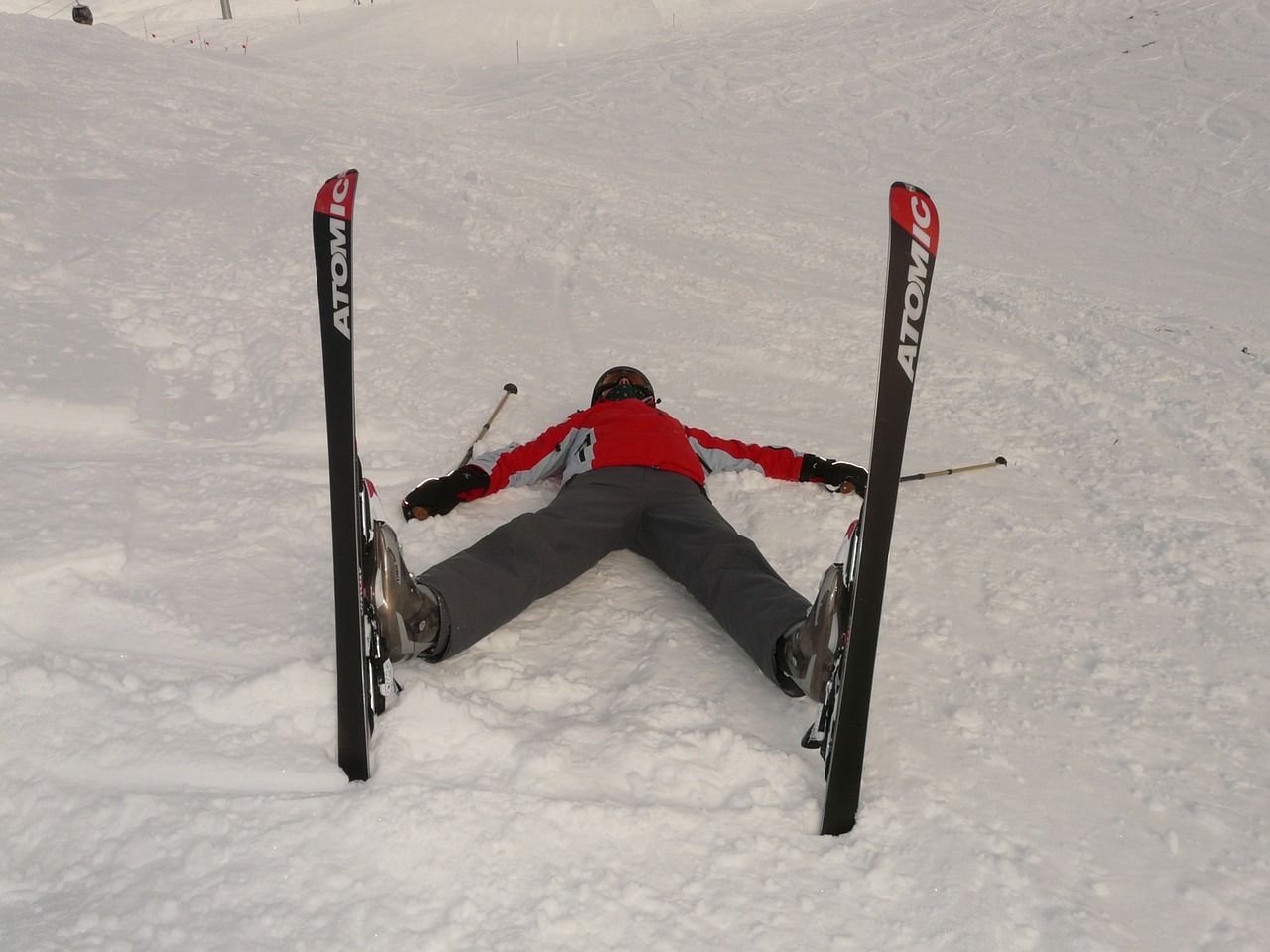
Today Colorado is home to almost 50 ski areas that log over 12,000,000 annual ski visits. With all of that activity on our slopes, accidents are inevitable. While skiing is not a contact sport, it involves coordination, high velocity, and muscle endurance to prevent injury and strain.

TIPS TO AVOID INJURY ON THE SLOPES

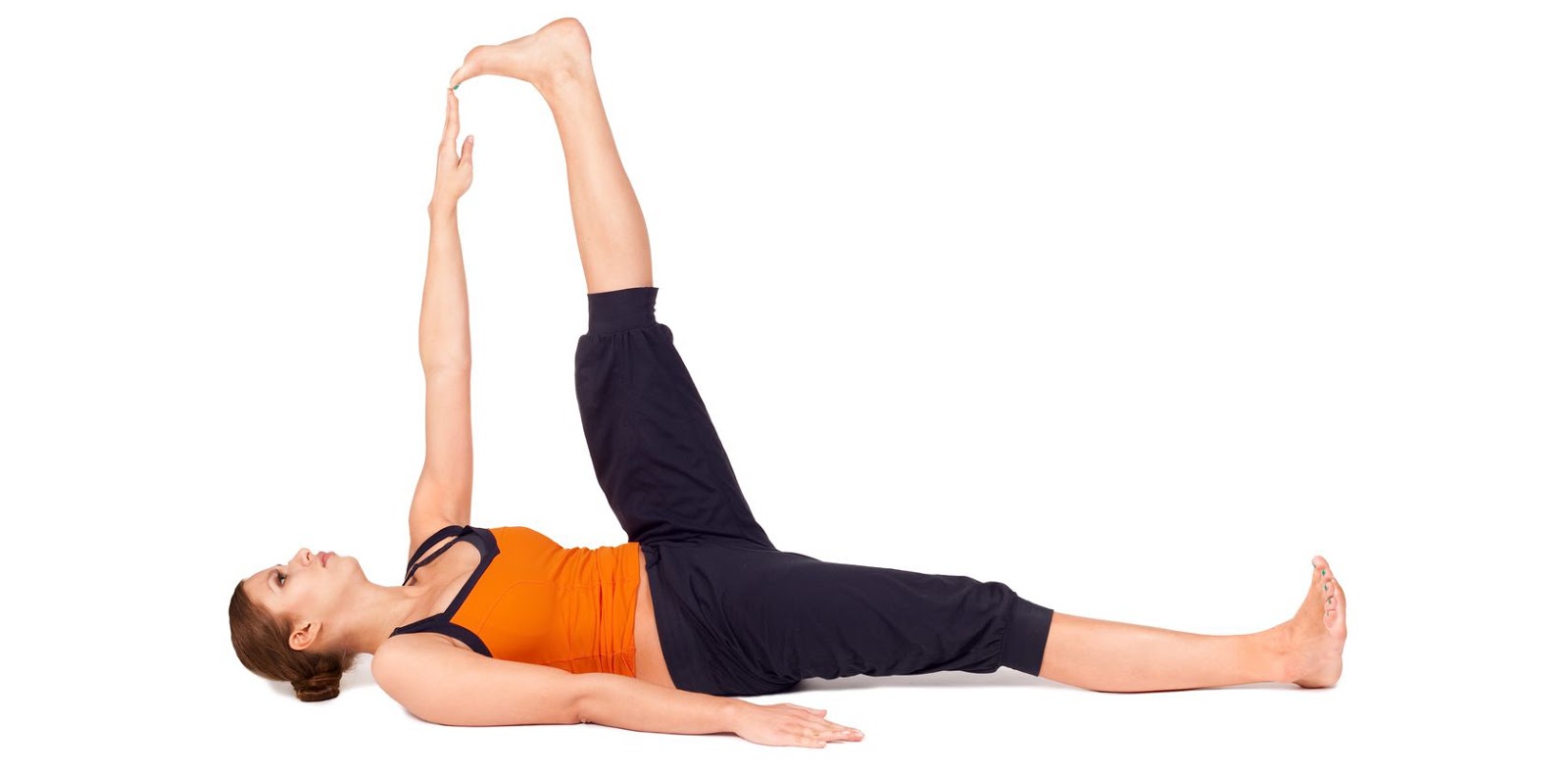
  • Warm Up: Begin your day with a warm-up routine that includes stretches. Some beneficial stretches include
    • Hips & Back: Lie on your back, bend your knees and let them fall to one side. Keep your arms out to the side and let your back and hips rotate with your knees.
    • Quads & Hamstrings: Kneel onto one knee and place your opposite foot on the floor in front of you. In this lunge position, push your hips forward. Hold onto something for balance, if necessary.
    • Standing Toe-up Achilles Stretch: Stand up and place the ball of your foot onto a step, raised object, or against a wall. Bend your knee and lean forward.
  • Perfect your technique: Take a ski class from a professional before hitting the slopes.
  • Prepare your gear: Make sure you have the right ski boots, bindings, and ski length for your body type and level of skill. Wear appropriate safety gear, such as helmets and wrist guards.
  • Prepare your body: A good conditioning routine, including strength training, cardio, flexibility, and balance exercises, can help increase your strength and endurance on the slopes.
  • Stay on the Trail: Especially while you’re learning, stay on terrain you’re comfortable with. Steeper terrain means higher speeds and greater potential for injury, and leaving park bounds means new conditions and more danger.
  • If you are tired, rest:  Mistakes (and injuries) are far more common when we’re fatigued.

MOST COMMON SKI AND SNOWBOARD INJURIES

Knee Injuries

A third of all injuries in skiing are suffered by the knee joint, most commonly menisci, cruciate, and collateral injuries.

Meniscal injuries occur during a fall when the ski bindings fail to release. When this occurs, the skier twists the lower leg and risks a meniscus tear or strain. Common signs of this condition are pain, swelling, inability to bend the knee, clicking and “giving way” of the knee.

A torn anterior cruciate ligament (torn ACL) can occur when a skier falls and twists the downhill leg, or during an off-balance landing after a jump. The most common indication of a torn ACL is an audible “pop” followed by extreme pain, swelling, and stiffness.

Less common, but more severe, is “O’Donoghue’s triad,” or simultaneous complete (or partial) tear of the anterior cruciate ligament (ACL), medial collateral ligament (MCL), and the medial meniscus.

Treating Knee Injuries from Ski & Snowboard Accidents

Knee injuries are initially treated with the RICE (Rest, Ice, Compression, Elevation) principle, which will help minimize the pain and reduce the swelling.

With most knee injuries, the goal is to stabilize the injury with knee supports (or braces) and begin a program of exercise, therapy, and rehabilitation to facilitate natural healing and conditioning.

If the pain of the injury is too severe to resume even normal activities with the help of a brace, your doctor may recommend a pain management program. In these cases, treatments such as injection and prescription medications can help ease the pain of the injury and allow your body to resume its healing process.

Spine Injuries

Spinal injuries from ski accidents are far less common than knee injuries – that’s the good news. The bad news is that they are usually far more serious and require much more time off the slopes for recovery. The most common spinal ski injuries come from stress or torsion on the spine during a hard fall or a collision.

When minor injuries happen, they usually include pain and numbness. After the adrenaline has faded, these injuries will result in restricted movement and aches and pains. People who have suffered from this type of injury may be prone to more frequent back pain in the future, so it’s important to be examined by a physician no matter how minor your injury seems.

Major spine injuries from ski accidents are another story. Symptoms of these injuries can include loss of movement, difficulty breathing, loss of control of bodily functions, and muscle spasms. These symptoms, obviously, should not be ignored! Major spinal injuries can lead to partial or total paralysis, so get to an emergency room as quickly as possible.

Treating Spine Injuries from Ski & Snowboard Accidents

Just like with knee injuries, the goal behind treating a spine injury is to manage pain and resume normal activities as much as possible. Nursing the injury with inactivity and immobility only delays the healing process. Physical therapy, exercise, and movement are necessary for recovery from spine injuries, as well as strengthening your body to prevent further pain and re-injury.

SEEKING TREATMENT & STAYING ON THE SLOPES

Regardless of how minor your accident may have seemed, pain from the injury can take days or even weeks to be fully felt. If you have even a passing concern that you may have injured your back, knees, shoulders, or tailbone while skiing or snowboarding, the safe bet is to consult a physician who can help keep you on the slopes where you belong.

Monday, May 23, 2016

Learn How to Lower Your Golf Score without Lower Back Pain


As much as we would like to think so, we here at SpineOne are not golf pros, but we do have some back pain tips that likely will also shave some strokes off your game.

It’s our belief that there are two types of golfers in this world; those whom have back pain and those whom will have back pain. However, you can still enjoy the game with less pain by following these simple tips before, during and after stepping onto the tee box.

NOTE: If you already have back pain or if any of the following exercises increase your back pain, you should stop and check with a back pain specialist before continuing.

Make sure you stretch and warm up before you play. Every type of athlete warms up before competition. Golf is no different. Here are a few simple stretches you can do before you grip it and rip it (the golf club, not your back).
Figure 1: Leg Swings


1. Leg Swings (Figure 1). Standing on one leg, swing the opposite leg forward and backward while keeping your knee straight. You can use a driver for balance. Swing the leg from side to side 15 times in each direction and then switch your legs and repeat.


Figure 2: Dynamic Lunge with Reach
 2. Dynamic Lunge with Reach (Figure 2). Lunges are a great way to activate key hip muscles, and since we are golfing, we also need to kick in the upper body musculature and abdominals. To begin, take and hold a golf club at both ends and while performing a lunge and reach overhead. Complete five repetitions for each leg.


Figure 3: Dynamic Lunge and Twist


Next, lunge forward and place the golf club behind your shoulders (Figure 3). Twist your body to the right five times and to the left five times.


3. Pivot Rotations (Figures 4a and 4b). To get the hips and thoracic spine involved in the rotation, take a golf club and hold at both ends with your feet shoulder width apart. Rotate the club to each side. Allow your hips to rotate with this motion and shift your weight to the opposite toe. Complete 20 repetitions.

Figure 4b: Pivot Rotations
Figure 4a: Pivot Rotations


Club up. There is no shame in moving up a club or two to get more distance with less effort, especially if you have back pain.  It is more embarrassing to swing too hard, pull your head up and miss the ball completely only to take an early ride back to the clubhouse with a sprained back and a new appointment with your back pain and spine specialist.


Practice good body mechanics.  Good body mechanics throughout your swing not only improve your game, but they also reduce stress on your low (lumbar) back, which decreases the risk for back injury and pain.  Many golfers try to rotate through their swing at the low back.  The low back is not designed for rotation and will become very unhappy if one repeatedly rotates at their lumbar spine.

Many golfers drop their hips down, tuck in their butt and hunch their shoulders when addressing the ball, causing shear stress across the lower back.  The opposite of this position is a hyper-arched back, which over extends the back muscles, creating un-needed stress on the low back.

The best solution for swinging the club with little or no lower back rotation is to make sure your back is in a “neutral” position (Figure 5) instead of an over-extended or flexed position while addressing the ball.  This is accomplished by moving your back between these two extremes until you find a comfortable and natural posture between the two positions. This allows for rotation at the middle (thoracic) back—alleviating stress, pain and possible injury to the lower back. 

Strengthen your core. As mentioned in a previous blog, 11 Simple Exercises That Prevent Low-Back Pain, prevention is the best prescription when it comes to confronting back pain.  When you are not golfing, you can implement a few simple exercises to strengthen your abdominal and gluteal muscles.  These will help strengthen your core, increase flexibility and assist with rotation in your swing.

If chronic back pain keeps you from doing what you love to do and you are unable to find a solution, it may be time to speak to spine care specialist.  SpineOne offers a comprehensive evaluation, diagnosis and treatment plan tailored to meet the pain management needs of each individual patient. The physicians at SpineOne practice minimally invasive procedures to get you back on your feet and enjoying your life again. SpineOne provides doctor consultations, MRIs and treatments all from the same facility for your convenience. Same-day appointments are also available upon request.


If you suffer from chronic back pain, get your life back by contacting us today!

Wednesday, December 23, 2015

Why Prolonged Sitting And Standing Is Unproductive by Anna Vital, author--Funders and Founders

We thought we would share this infograph that explains why it is not good for your neck and back (and other parts of the body) to sit or stand for prolonged periods of time by Anna Vital, author-- Funders and Founders.

If you suffer from chronic or acute back pain and cannot find relief, it may be time to contact a spine specialist like the physicians at SpineOne.  SpineOne offers a comprehensive evaluation, diagnosis and treatment plan tailored to meet the needs of each individual patient. The physicians at SpineOne practice minimally invasive procedures combined with other practices to get you back on your feet and enjoying your life again. SpineOne provides doctor consultations, MRIs and treatments all from the same facility for your convenience. Same-day appointments are also available upon request.


Visit www.SpineOne.com or call 303.500.8611 today.

Friday, December 11, 2015

How to Avoid Back Pain from Shoveling Snow this Winter

In a national study conducted by the National Electronic Injury Surveillance System and published by the National Center for Biotechnology Information (NCBI), U.S. National Library of Medicine in 2011, approximately 66,919 (34.3 percent) people sought medical care for lower back injuries caused by shoveling snow from 1990 to 2006. Caused mostly from acute musculoskeletal exertion (54.7 percent), many of these patients suffered from low-back strain followed by a herniated-vertebral disc and then spinal fractures.  That’s an average of 11,500 shoveling-related injuries a year!

Why this happens
Many of us lead sedentary lives that involve working in front of a computer all day, every day, watching sporting events, TV shows and movies and eating less-healthy food (especially during the holidays). Then the first snowfall arrives, and we soon forget the physical demands shoveling hundreds of pounds of heavy, wet snow in freezing temperatures puts on our bodies.  This can be a recipe for disaster if we haven’t kept ourselves in some type of physical shape previously. 

Some information to keep you on your feet this winter
The back specialists at SpineOne have provided some information to help keep you out of the doctor’s office or emergency room this winter.

Check with your doctor
You should always check with your doctor before shoveling if you’ve already injured your back or you have another medical condition. Not only may you hurt your back, but also conducting strenuous work in the cold when you are not used to exercise may increase your chances for a heart attack. It may be best to hire someone else to clear the snow from your driveway.

Warm up
Let’s not kid ourselves. Shoveling snow is a strenuous activity. And you need to stretch to avoid injury like you would with any strenuous activity such as running, swimming, biking or playing sports.

Pace yourself
Rome wasn’t built in a day. Pace yourself and take frequent breaks. If the forecast calls for snowfall over an extended period of time, start shoveling early; it’s better to shovel a few inches of snow at a time than a foot or two all at once. 

Use proper shoveling techniques
Distribute your weight evenly by bending at your knees and hips. Avoid twisting your back to throw snow on a pile; instead, turn your whole body. Take a look at this instructional video—Shoveling snow: How to prevent back injuries courtesy of Lenny Bernstein of the Washington Post before tackling old man winter this season.


Get the proper equipment
Use a shovel that is the right height for you.  We recommend one with an “S” shaped handle for more efficient leverage and better body mechanics when shoveling.  You should always try to push the snow instead of lifting it. Spread rock salt or an “ice melter” on slick spots along the walkway and/or driveway to avoid falls before shoveling.

Dress for success
Dress in layers that are warm and breathable, and like mom says, “Don’t forget to put on your hat!” Choose thicker gloves that keep your hands warm while providing a better grip on the handle of the shovel. Probably most importantly, wear boots with a slip-resistant sole.

Listen to your body
If you feel any type of pain or shortness of breath while shoveling, stop immediately and seek assistance. If you develop pain in your lower back that radiates down one, or both of your legs, you may have a more serious condition. If this is the case, or you fall down and injure your back, you should seek out a qualified spine specialist for proper diagnosis and treatment like the physicians at SpineOne

SpineOne offers a comprehensive evaluation, diagnosis and treatment plan tailored to meet the needs of each individual patient. The physicians at SpineOne practice minimally invasive procedures combined with other practices to get you back on your feet and enjoying your life again. SpineOne provides doctor consultations, imaging and treatments all from the same facility for your convenience. Same-day appointments are also available upon request.

Call 303.800.5611 or visit www.spineone.com today.

Tuesday, November 24, 2015

How to Prevent Back Pain this Ski Season


With Thanksgiving weekend starting this Thursday, many of us Coloradans will head up to the slopes for the first time this year. In fact resorts such as Arapahoe Basin, Breckenridge, Copper Mountain, Winter Park and Vail have already opened, and six more resorts will follow over the holiday weekend including Steamboat and Telluride.

And with a brand-new ski season, will come weekend warriors who have spent the 
last two to three months on the couch watching football, drinking and eating instead of working out in preparation of the ski season.  

Skiing is a physically demanding activity that requires our muscles to be flexible and 
strong to avoid falling and more serious injuries. Knee and ankle joints are the most common of skiing injuries, but back pain can limit one’s mobility and balance, leading to muscle strains, falls, whiplash, concussions and in rare occasions—paralysis. To help you avoid injury and get the most out of your skiing investment this season, we at SpineOne recommend the following preventative measures before you (shall I say, ‘conquer?’) the slopes.

Get in shape now.
Most of us need at least six weeks to get in decent enough shape to strap wood to our feet and speed down the side of a 14,000-foot mountain. If you haven’t started, begin working 
out now. You will want to focus on your thighs, hamstrings, hips and buttocks for strength and support of your lower back. It is also very important to follow through with core exercises designed to stretch and strengthen the muscles that support the spine. Being in good condition will provide you with better stability and balance and help reduce the chances of falling and injury.


Warm up.
Before an athlete or an “average Joe” does anything athletic, he or she stretches and warms up. We often don’t think to stretch before skiing or snowboarding because we consider skiing as a fun “activity,” not necessarily a demanding sport. However, nothing could be further from the truth—especially in cold weather. Muscles are more apt to be injured in cold weather. You should stretch your hamstrings, hips, back, neck, shoulders and triceps. It is also a good idea to take a light practice run on a bunny hill before really carving up the slopes.   

Use the right equipment.
One of the most important preventions to back pain, falling and injury is to make sure you
have equipment that is the right size for your body, in good 
condition and that feels comfortable when you wear it. You don’t want to be battling your equipment while trying to


maneuver the mountain. Oh yeah, and wear a brain bucket. It will significantly reduce the
chances of a serious 
brain injury.

Pay attention on the lift.
“Tips up!” Many falls and accidents occur before getting on or off the lift. One should be comfortable with how to get on and, more importantly, off a chair lift. Many skiers are
injured on the lift because they have not ridden one 
before, or are just not paying attention. If you have not ridden a ski lift before, it is important that you learn what to do and ride up
the mountain 
with someone who has experience.

Give it a rest.
Fatigue and dehydration may also lead to injury on the slopes. You need to pay attention to your body and rest at times between runs when needed. One should also stay hydrated. Although you are surrounded by snow, you are at higher altitudes, which means drier conditions and the risk of altitude sickness.

Know your limits.
“But all the cool kids are doing it!” Ah, common sense is not always that common. It is easy to get caught up in friendly competition or to try to impress that date for the first time on the mountain. However, your day or season could be cut short if you do not ski at your skill level. If you want to improve your skiing skills, take some lessons with an instructor before going commando off a headwall. You will look cooler and most likely avoid a yard sale.

Remember, you want to enjoy and remember your ski trip like this guy:


Not this guy:


What to do if you sustain a back injury.
If you suffer from chronic or acute back pain due to a sports injury or other condition and cannot find relief, it may be time to contact a spine specialist like the physicians at SpineOne

SpineOne offers a comprehensive evaluation, diagnosis and treatment plan tailored 
to meet the pain management needs of each individual patient. The physicians at SpineOne practice minimally invasive procedures combined with other practices, such as physical therapy, to get you back on your feet and enjoying your life again. SpineOne provides doctor consultations, MRIs and treatments all from the same facility for your convenience. Same-day appointments are also available upon request.

Visit www.SpineOne.com or call 303.500.8611 today.

Friday, November 6, 2015

How to Relieve Back Pain without Surgery

Back pain can be debilitating. When it is keeping you on the sidelines of your life, you may be willing to consider any treatment that works, including surgery. There are occasions when back surgery is the best option for relieving your pain, but it is not your only choice. Less than five percent of back and neck pain patients are good candidates for spinal surgery. The good news is that there are alternative treatments for conditions such as herniated or bulging discs, spinal stenosis, degenerative discs, sciatic pain and more.

At SpineOne, we can manage your pain using targeted injections and therapeutic care to provide you with relief often without powerful medications that can be habit-forming. To learn which treatment options are right for you, it is important to schedule a consultation with a spine specialist like the experts at SpineOne. The following infographic illustrates the different choices you have for treating back and neck pain.  If you are considering open- or laser-spine surgery, visit the doctors at SpineOne for a second opinion. The back specialists at SpineOne can likely relieve back or neck pain without surgery.
 
Call us at 303.500.8611 or visit www.spineone.com to learn more about our services.  For your convenience, SpineOne offers same-day appointments with consultation, imaging and treatment all within one facility.

Friday, September 18, 2015

Three Simple Exercises to Relieve Back Pain


Infographic: Three Simple Exercises to Relieve Back Pain
If you live with back pain, you’re not alone. At any given moment, up to 50 percent of Americans experience back pain. This condition is second only to the common cold as a reason why people call in sick to work. Surgery is a daunting prospect if you have back pain, but the good news is that most sufferers find relief with non-invasive methods such as exercise.

Exercise can be a powerful solution to back pain. The goals of exercises are to achieve pain relief and to strengthen the back to help prevent future bouts of pain. This infographic from our SpineOne illustrates three simple exercises that can treat back pain. Help all your fellow sufferers understand their options by passing along this useful information. 

Wednesday, August 12, 2015

Learn How to Take Away Back Pain and Golf Strokes!

As much as we would like to think so, we here at SpineOne are not golf pros, but we do have some back-pain tips that likely will also shave some strokes off your game.

It’s our belief that there are two types of golfers in this world; those whom have back pain and those whom will have back pain.  However, you can still enjoy the game with less pain by following these simple tips before, during and after stepping onto the tee box.

NOTE: If you already have back pain or if any of the following exercises increase your back pain, you should stop and check with a physical therapist or back pain specialist before continuing.

Make sure you stretch and warm up before you play.  Every type of athlete warms up before competition.  Golf is no different.  Here are a few simple stretches you can do before you grip it and rip it (the golf club, not your back).

1. Leg Swings (Figure 1). Standing on one leg, swing the opposite leg forward and backward while keeping your knee straight. You can use a driver for balance. Swing the leg from side to side 15 times in each direction and then switch your legs and repeat.

Back Pain Prevention for Golf: Leg Swings

Figure 1: Leg Swings


2. Dynamic Lunge with Reach (Figure 2). Lunges are a great way to activate key hip muscles, and since we are golfing, we also need to kick in the upper body musculature and abdominals. To begin, take and hold a golf club at both ends and while performing a lunge and reach overhead.  Complete five repetitions for each leg.

Back Pain Prevention for Golf: Dynamic Lunge with Reach

Figure 2: Dynamic Lunge with Reach

Next, lunge forward and keep your arms in front of you, holding the golf club to your chest (Figure 3). Twist your body to the right five times and to the left five times.

Back Pain Prevention for Golf: Lunge and Twist

Figure: 3 Lunge and Twist


3. Pivot Rotations. To get the hips and thoracic spine involved in the rotation, take a golf club and hold at both ends with your feet shoulder width apart. Rotate the club to each side, while shifting your weight from foot to foot. Allow your hips to rotate with this motion and shift your weight to the opposite toe.  Complete 10 repetitions in each direction.

Back Pain Prevention for Golf: Pivot Rotations

Figure 4: Pivot Rotations

Club up. There is no shame in moving up a club or two to get more distance with less effort, especially if you have back pain.  It is more embarrassing to swing too hard, pull your head up and miss the ball completely only to take an early ride back to the clubhouse with a sprained back and a new appointment with your back pain and spine specialist.


Practice good body mechanics.  Good body mechanics throughout your swing not only improve your game, but they also reduce stress on your low (lumbar) back, which decreases the risk for back injury and pain.  Many golfers try to rotate through their swing at the low back.  The low back is not designed for rotation and will become very unhappy if one repeatedly rotates at their lumbar spine.

Many golfers drop their hips down, tuck in their butt and hunch their shoulders when addressing the ball, causing shear stress across the lower back (Figure 5).  The opposite of this position is a hyper-arched back, which over extends the back muscles, creating un-needed stress on the low back (Figure 6).

The best solution for swinging the club with little or no low-back rotation is to make sure your back is in a “neutral” position (Figure 7) instead of an over-extended or flexed position while addressing the ball.  This is accomplished by moving your back between these two extremes until you find a comfortable and natural posture between the two positions. This allows for rotation at the middle (thoracic) back—alleviating stress, pain and possible injury to the low back.

Back Pain Prevention for Golf: Proper Body Mechanics

Strengthen your core. As mentioned in a previous blog, 11 Simple Exercises That Prevent Low-Back Pain, prevention is the best prescription when it comes to confronting back pain.  When you are not golfing, you can implement a few simple exercises to strengthen your abdominal and gluteal muscles.  These will help strengthen your core, increase flexibility and assist with rotation in your swing.

Often back pain is symptomatic of other underlying conditions. Chronic back pain, if left untreated, can lead to stress, depression and anxiety for the patient and their families.  If you or a loved one suffers from chronic back pain and is unable to find a solution, it may be time to speak to spine care specialist.

SpineOne offers a comprehensive evaluation, diagnosis and treatment plan tailored to meet the pain management needs of each individual patient. The physicians at SpineOne practice minimally invasive procedures combined with other practices such as physical therapy to get you back on your feet and enjoying your life again. SpineOne provides doctor consultations, MRIs and treatments all from the same facility for your convenience. Same-day appointments are also available upon request.

If you suffer from chronic back pain, get your life back and contact us today!